
Protecting Your Joint from Summer Storms
Brooklyn summers are something special. From long afternoons on the stoop to evenings spent on a rooftop deck, there's a unique energy in the air. But with that warm weather comes the threat of sudden, intense summer thunderstorms. For a homeowner, the sound of heavy rain and high winds can be a source of major anxiety, especially when you start wondering if your roof is up to the challenge. A small leak can quickly escalate into significant damage, affecting not just your roof but your ceilings and the structural integrity of your home.
Protecting your property from storm damage isn't about luck; it's about preparation. At Oscar Preview, we've seen firsthand how a little proactive care can save Brooklyn homeowners from costly and stressful repairs down the line. This guide will walk you through the essential steps for safeguarding your home before a storm, identifying warning signs of a vulnerable roof, and knowing exactly what to do when the weather takes a turn for the worse.
Pre-Storm Prep: Your First Line of Defense
The best time to think about storm damage is before the storm clouds even gather. A well-maintained roof is designed to handle heavy rain and wind, but neglect can create weak spots that a summer squall will happily exploit. Regular inspections and preventative maintenance are the most effective ways to ensure your home stays dry and secure.
Here’s what you or a professional should be looking for:
- Clear Gutters and Drains: This is absolutely critical, especially for the many flat roofs in our borough. When drains and gutters are clogged with leaves, dirt, and other debris, water has nowhere to go. It pools on your roof, adding immense weight and seeping into any tiny crack or seam it can find. This is one of the most common and preventable causes of major leaks.
- Inspect Seals and Flashing: The most vulnerable points on any roof are where the surface is penetrated. This includes the areas around vents, skylights, chimneys, and where the roof meets a wall. The flashing and seals in these areas can degrade over time due to sun exposure and temperature changes. Ensuring they are intact and watertight is a key part of any thorough inspection.
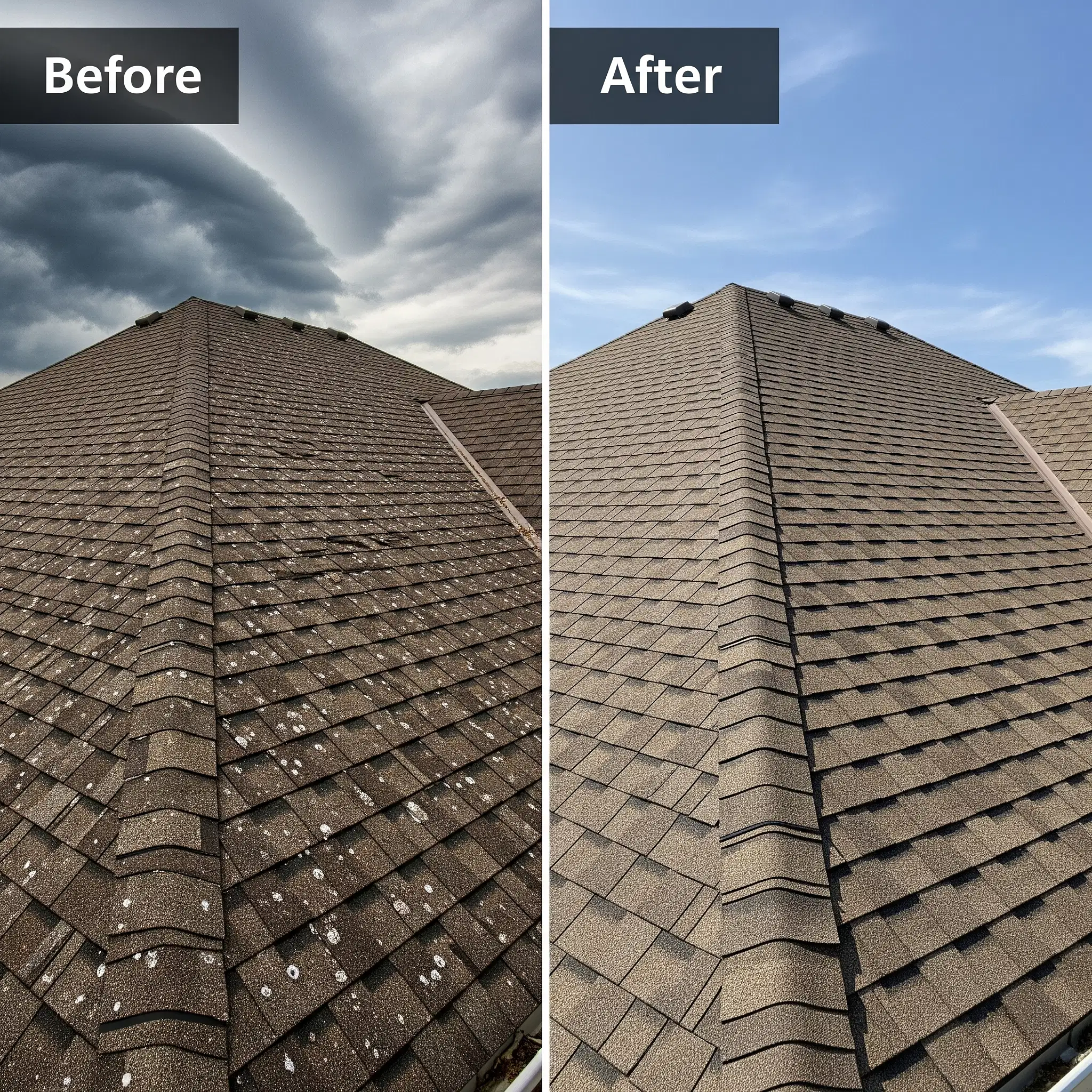
- Check the Roof Surface: For sloped roofs, look for shingles that are cracked, curling, or missing. For a flat roof, scan for blisters, cracks, or punctures in the membrane. These are clear signs that the primary layer of water protection has been compromised and needs professional attention.
Telltale Signs Your Roof is at Risk
How can you tell if your roof is sending out an S.O.S.? Often, the most obvious signs of trouble aren't on the roof itself, but inside your home. Being able to spot these warning signs early can make the difference between a minor repair and a full-blown replacement.
Interior Warning Signs:
- Ceiling Stains: A discolored, brownish spot on your ceiling is a dead giveaway that water is getting in. It might seem small, but it indicates a persistent leak that has already soaked through your insulation and drywall. Don't just paint over it; that's like putting a bandage on a broken arm. The source of the leak must be found and fixed first, followed by a proper ceiling repair to prevent mold growth.
- Peeling Paint or Bubbling Drywall: Moisture trapped behind your walls or ceiling will cause paint to peel and drywall to bubble or warp. Pay close attention to the areas near walls and in the corners of rooms on the top floor.
- A Musty Odor: A persistent damp, musty smell in your attic or top-floor rooms can be a sign of a slow, hidden leak that is fostering mold and mildew growth.
Exterior Warning Signs:
- Visible Debris in Drains: If you can see leaves and gunk piling up in your gutters or around your scuppers from the ground, it’s a clear sign they need cleaning.
- Ponding Water: After it rains, does water stand on your flat roof for more than 48 hours? This “ponding” indicates a drainage problem that will accelerate the deterioration of your roofing materials.
- Loose Materials: Any visible loose flashing, seams that are pulling apart, or shingles flapping in the wind are immediate red flags that your roof's defenses are down.
What to Do Immediately After a Storm
Even with the best preparation, a particularly severe storm can cause unexpected damage. If you suspect your roof has been compromised, taking the right steps quickly can minimize the impact on your home.
- Prioritize Safety: Never go onto your roof during or immediately after a storm. The surface can be dangerously slick, and there could be hidden structural damage. Wait until the weather has completely cleared.
- Assess from the Inside: Your first check should be inside your home. Walk through your top-floor rooms and attic, looking for any new water stains, drips, or damp spots. If you find an active leak, place a bucket underneath it to catch the water and protect your floors. If the ceiling is bulging, the water pressure could cause it to collapse; in this case, you can carefully puncture the center of the bulge with a screwdriver to release the water in a controlled way.
- Conduct a Ground-Level Inspection: Once it's safe to go outside, walk around your property and look for any obvious signs of damage. Are there shingles in your yard? Can you see any loose flashing or damaged gutters? Take photos of anything you find for your records.
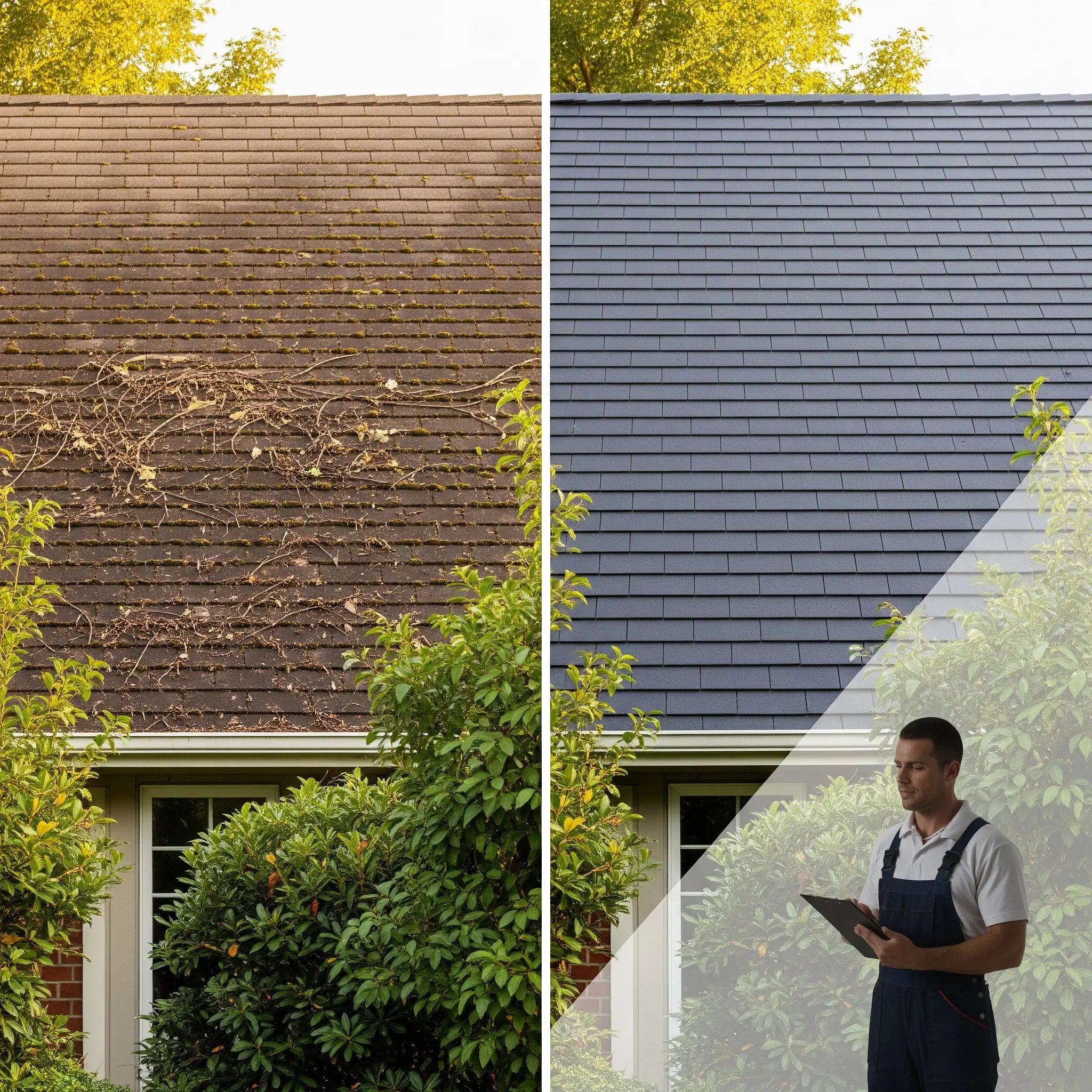
- Call for a Professional Inspection: This is the most important step. Hidden damage is common after a storm. A trained professional can safely get on your roof and identify issues that are invisible from the ground, such as hail damage, lifted seams on a flat roof, or cracked seals. An emergency roof inspection and repair can prevent a small problem from turning into a catastrophe during the next rainfall.
Your Partner in Storm Protection
A summer storm in Brooklyn shouldn't be a source of panic. By taking proactive steps to maintain your roof and knowing the warning signs of potential trouble, you can have peace of mind when the rain starts to fall. Remember that a water stain on your ceiling is more than a cosmetic issue—it's a clear signal that your home's primary defense has been breached.
Don't wait for a leak to disrupt your life. If you have concerns about your roof's condition or need a professional assessment after a storm, the team at Oscar Preview is here to help. We specialize in everything from routine maintenance and emergency repairs to full roof replacements and expert ceiling restoration. Contact us today to schedule an inspection and keep your Brooklyn home safe and dry, all summer long.