
Your Brooklyn Flat Roof Spring Maintenance Checklist
Spring is finally here, and across Brooklyn, property owners are opening windows and enjoying the warmer weather. But after a long, harsh winter, the season of renewal is also the perfect time to look up. The freeze-thaw cycles, heavy snow, and icy winds can take a serious toll on your building's first line of defense: your flat roof. Proactive spring maintenance is the single most effective way to prevent small, hidden issues from turning into costly leaks and extensive water damage. This guide will walk you through what to look for and when it's time to call in the professionals to protect your investment.
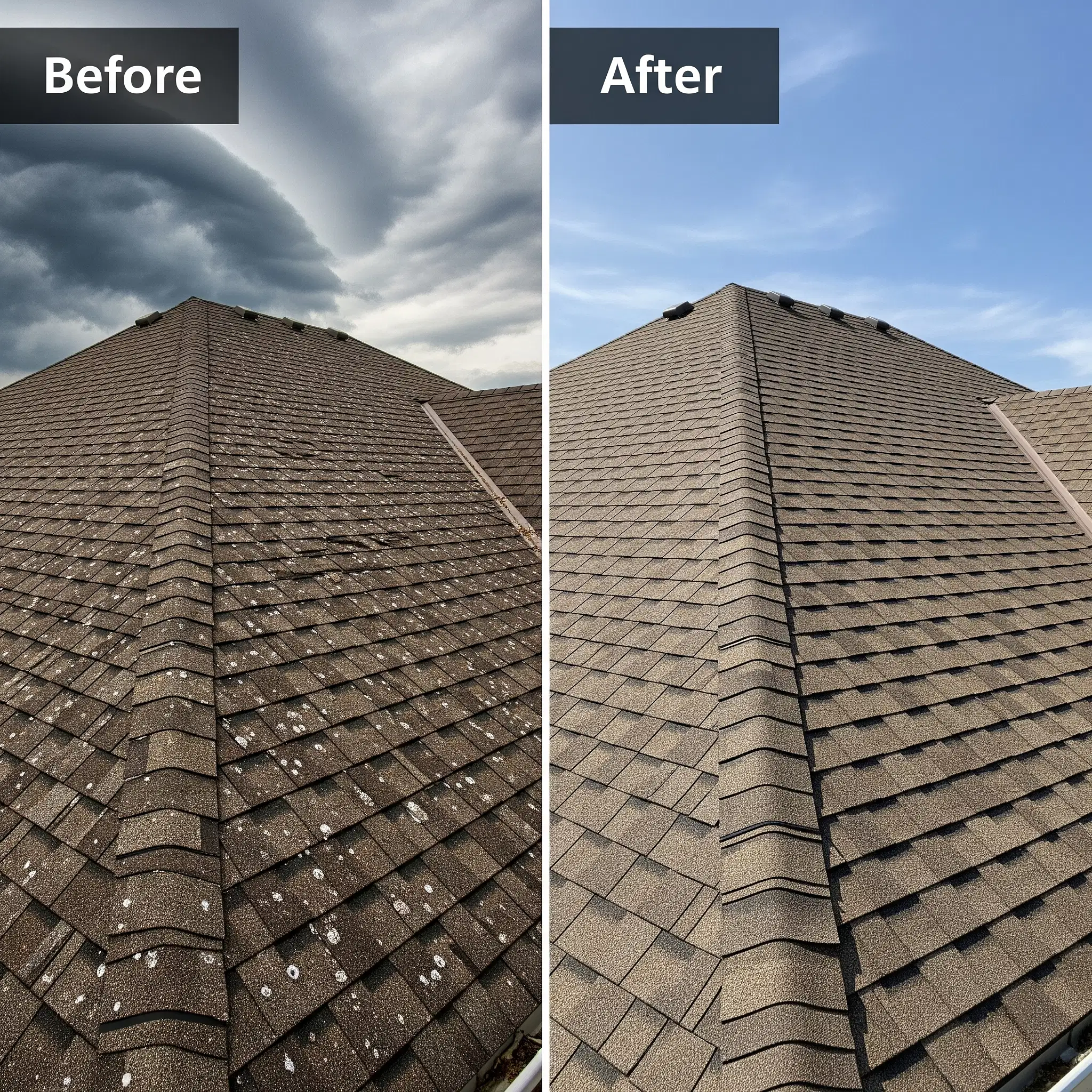
Why Winter is So Tough on Flat Roofs
Unlike sloped roofs that shed snow and water more easily, flat roofs face unique challenges, especially in our climate. Understanding what your roof just endured is key to knowing what to look for.
- The Freeze-Thaw Cycle: When trapped moisture freezes, it expands, creating stress on roofing materials. As it thaws, it contracts. This constant expansion and contraction can weaken seams, create cracks in the membrane, and damage flashing around vents and parapet walls. This is one of the leading causes of slow, hard-to-detect leaks.
- Heavy Snow and Ice: The sheer weight of accumulated snow and ice can strain the structure of your roof. More importantly, as it melts, it can overwhelm drainage systems. If drains are clogged with winter debris, this leads to "ponding water"—standing pools of water that accelerate the deterioration of roofing materials and can eventually find a way inside.
- Clogged Drains and Scuppers: Leaves, branches, and other debris from the fall and winter can easily block your roof's drainage points. A clogged drain is a primary cause of ponding water and can lead to significant water weight accumulating in one area, posing a serious risk.
A Safe DIY Inspection Checklist for Spring
Before calling a professional, you can perform a basic visual inspection to get a sense of your roof's condition. Safety first: Only perform this check if you can access your roof safely and securely. Never walk on a wet or unstable roof.
- Clear Away Debris: Carefully remove any leaves, branches, trash, or other debris that has collected over the winter. Pay special attention to areas around drains, scuppers, and any rooftop equipment.
- Check All Drainage Points: Once the area is clear, check that your drains and scuppers are completely unobstructed. Water should be able to flow freely away from the roof surface. This is the most critical step in preventing ponding water.
- Look for Standing Water: After a spring rain, check your roof. If you see pools of water that remain for more than 48 hours, it's a clear sign of a drainage problem or a low spot in the roof that needs to be addressed.
- Visually Inspect Seams and Flashing: Look closely at the seams of the roofing material. Do you see any areas that are pulling apart, cracking, or bubbling? Check the flashing (the metal or membrane seals) around chimneys, vents, skylights, and where the roof meets a wall. This is a common failure point.
- Scan for Blisters and Cracks: Look for any blisters, cracks, or punctures in the main surface of the roof membrane. Even a small puncture can allow a significant amount of water to penetrate your building's structure.
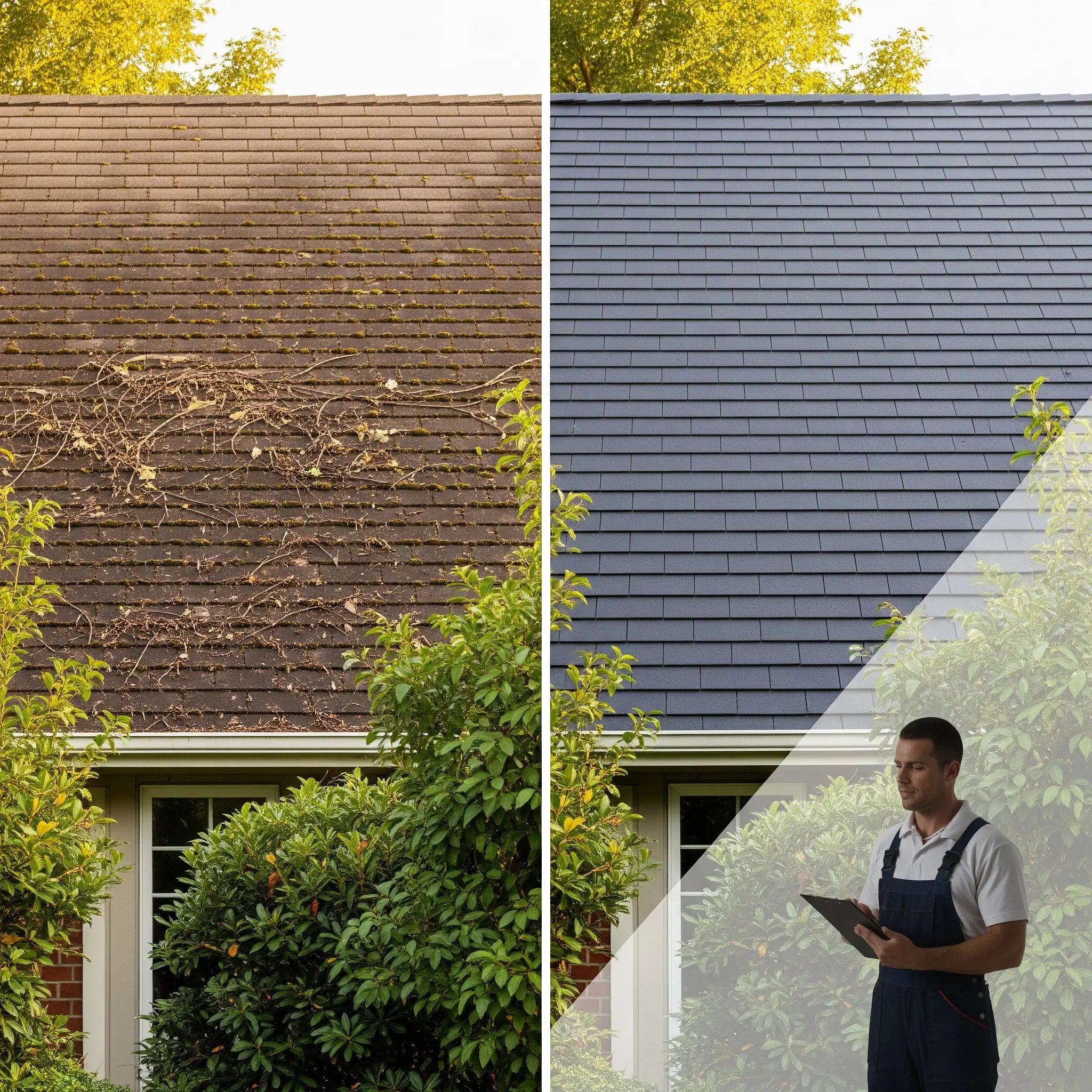
When It's Time to Call a Professional Roofer
A DIY check is a great first step, but it can't replace the trained eye of an experienced roofing contractor. Certain issues require immediate professional attention to prevent further damage. If your inspection reveals any of the following, it's time to make a call:
- Open or Failing Seams: If you can see clear gaps or separation in the seams, water is likely already getting underneath the membrane.
- Large or Numerous Blisters: Blisters indicate trapped air or moisture, which compromises the integrity of the roofing system.
- Significant Ponding Water: If water isn't draining properly, a professional needs to diagnose the cause, whether it's a clog, improper slope, or structural issue.
- Visible Damage to the Membrane: Any deep cracks, punctures, or extensive wear and tear require professional repair to ensure a durable, watertight seal.
A professional roofing inspection goes beyond what's visible on the surface. We can identify subtle signs of moisture intrusion, assess the structural integrity of the roof deck, and provide a comprehensive report on your roof's health. Investing in a professional maintenance plan is one of the smartest ways to protect the value of your property, ensuring small problems are fixed before they become expensive emergencies.
Protect Your Property This Spring
Your roof is too important to leave to chance. A thorough spring check-up is an essential part of property ownership, safeguarding your building from the elements and ensuring peace of mind. By clearing debris, checking for damage, and knowing when to call for expert help, you can extend the life of your roof and prevent the headache of unexpected leaks.
Don't wait for a spring shower to reveal a problem with your roof. If you have concerns about your flat roof or want to schedule a professional inspection for your Brooklyn property, the team at Oscar Preview is here to help. Contact us today to ensure your roof is secure, sound, and ready for whatever the year brings.